

CRAFTSMANSHIP IS AT THE HEART OF SIWA'S DESIGN PROCESS
From the first sketch to the final detail, exploring the craftsmanship, experience, and human intention behind Siwa's design.
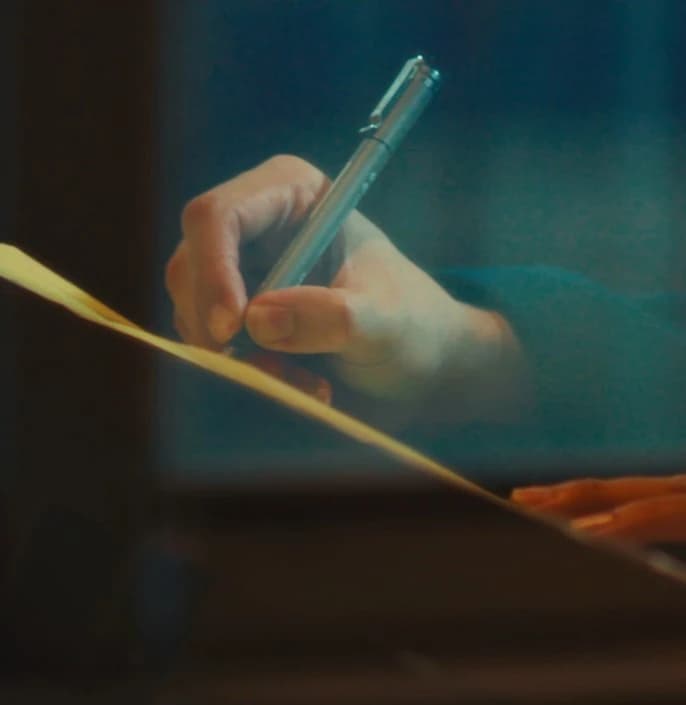
Over the past six years, Siwa has grown, evolved, and transformed through the many stages of our practice. Yet one belief has remained constant: our commitment to "craftsmanship", and to the value of design shaped by human thought and hands.
As technology and AI continue to play an increasingly significant role across the design industry, Siwa sees technology as a tool within the creative process. The heart of design, however, remains with the people behind it.
For Siwa, craftsmanship is not simply about making things by hand. It is about the thought, experience, and intention behind every detail. It brings together identity, wisdom, and artistry to transform an idea into a space with its own story and distinct character.
The essence of Siwa's design therefore lies not only in the final outcome, but also in the process behind it — from observation and understanding, to developing an idea and continually refining its details. It is a process shaped by thought, considered decisions, and the experience accumulated by the Siwa team over the years.
FROM IDEA TO SKETCH TO SPACE
One of the clearest reflections of this philosophy can be seen in the design process of Siwasake Loiduenchai (Sek), Founder of Siwa, who continues to place great importance on hand-drawn sketches.
Every line on the page goes beyond aesthetics. It involves consideration of proportion, what details should be added or removed, how materials and elements should work together, and ultimately, how the space will be experienced and used in real life.
Sketching, therefore, is not simply a way of translating an idea onto paper. It is part of the thinking and design development process from the very beginning.
And, of course, the design process does not end with a sketch.
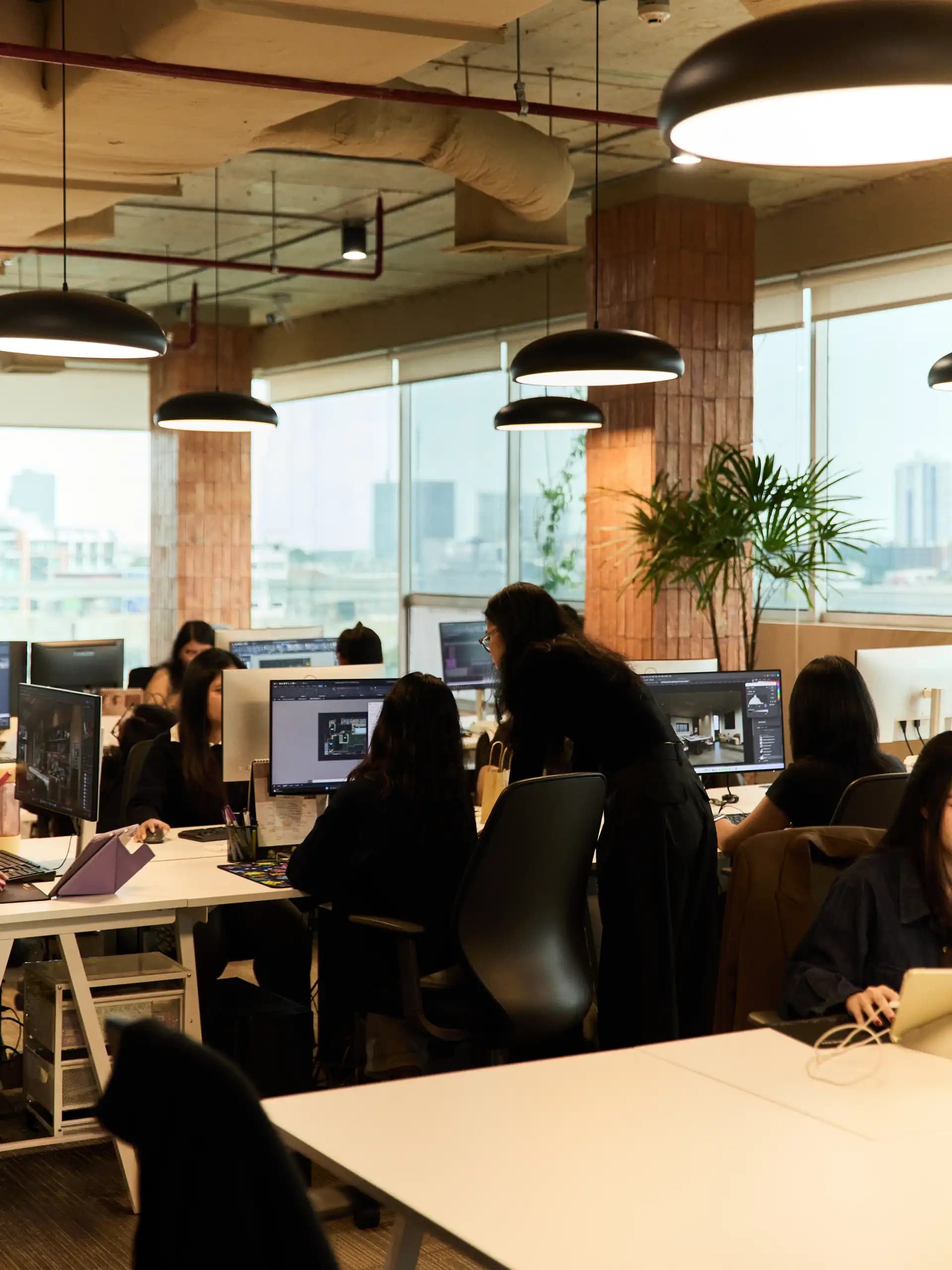
From the initial idea, each project is gradually developed through a series of stages — from material selection and 3D visualisation, to technical drawings and, ultimately, bringing the design into reality. At every stage, details are refined, challenges are resolved, and thoughtful decisions are made.
Because Siwa believes that every project should not be defined by a single design language. Instead, each space should have its own story and character.
AI IS A TOOL, NOT THE DESIGNER.
At a time when technology can help generate images and develop ideas faster than ever, one question naturally arises: what makes design remain human?
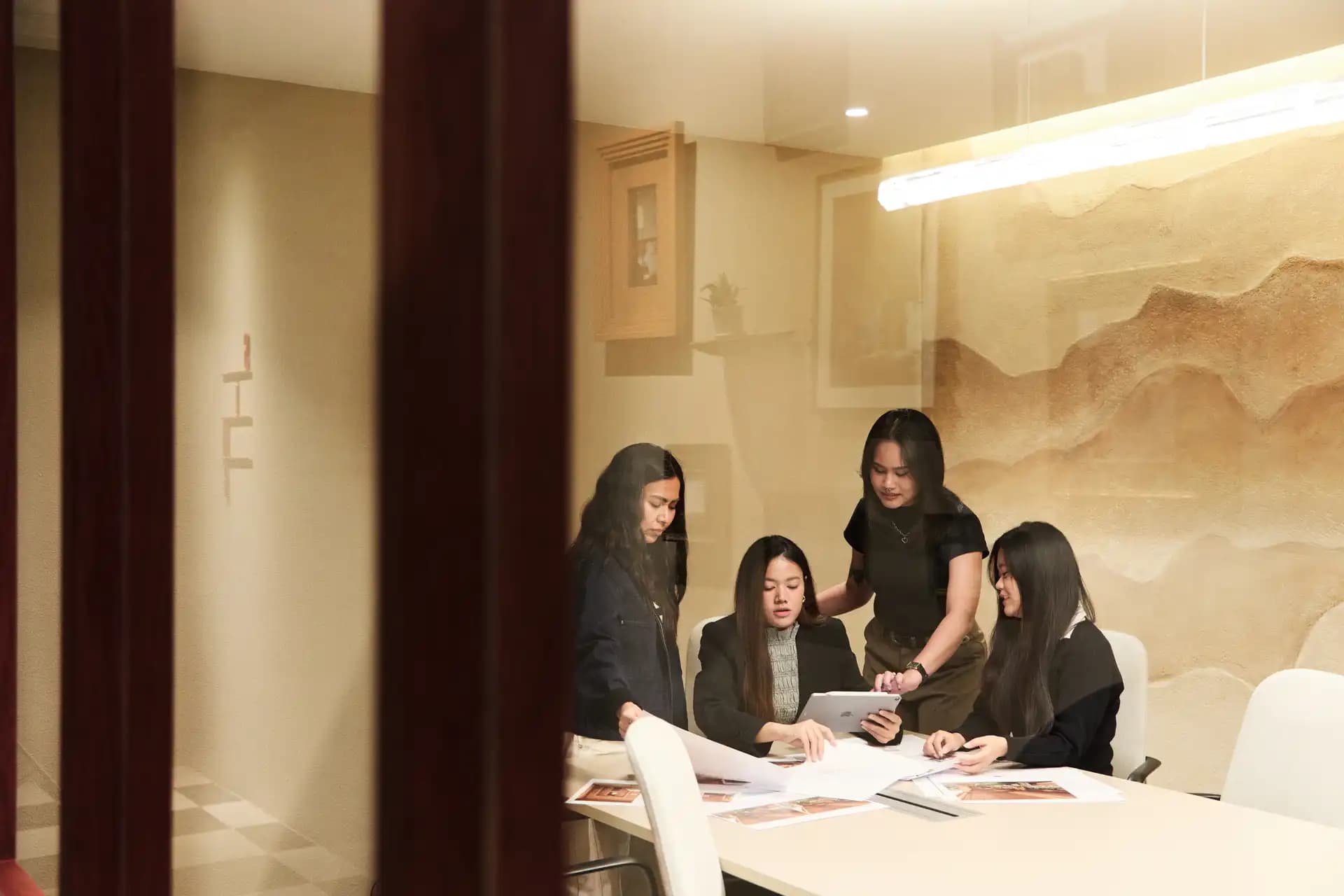
For Siwa, the answer is not to reject technology, but to understand its role. AI is a tool that can help us explore and develop ideas — not a replacement for the designer behind them.
The direction of a design, the understanding of how people experience and use a space, the selection of materials, the consideration of proportion and detail, and the resolution of real-world challenges all rely on the experience, sensibility, and judgement of the people behind the work.
Technology may allow us to see more possibilities, but the decision of what should ultimately exist in the real world remains with the designer.
From the first line on paper to the final detail of a space, every step is guided by the intention to create work with meaning and its own distinct character. For us, good design does not come from technology alone, but from the combination of thought, experience, understanding, and attention to detail.
"At Siwa, craftsmanship is more than a way of making. It is a way of thinking. Because while technology can help us imagine more, it is the human touch that gives a space its character."